


Cocobi Dentist - Kids Hospital
3.848.00 Reviews
App Specs
- Version
- 1.0.29
- Updated On
- License
- Free
- Downloads
- 10,000,000+
- Developer
- KIGLE
- Categories
- Educational
- Platform
- Android, iOS
Screenshots
 Analysis by AppCompare
I like the idea behind a children’s dentist game because it gives a young player a safe, make-believe way to approach a subject that can feel intimidating in real life. Cocobi Dentist - Kids Hospital puts the focus on treating dental problems through play, so the useful question is not whether it can replace a real explanation from a parent or dentist—it cannot—but whether it can make the topic easier to talk about. In my view, that is where this educational game from KIGLE has its clearest value.
A pretend appointment that makes teeth less intimidating
The central appeal is the dentist role itself. Instead of only hearing that teeth need care, children get to act out a visit and interact with dental tools in a playful setting. That shift from being told to do something to pretending to do it can make oral care feel more familiar. I would treat the game as a conversation starter, not as a lesson that guarantees a child will brush better or understand every real procedure.
That distinction matters for parents. A game can introduce the idea of a dental visit without carrying the pressure of an actual appointment, but it cannot answer a child’s personal medical questions or demonstrate proper brushing technique in place of an adult. I found the strongest use is to play alongside a child now and then, asking what they think is happening and connecting the pretend treatment to everyday routines. Keeping that conversation light helps the play stay reassuring rather than turning it into a lecture.
How the role-play feels in practice
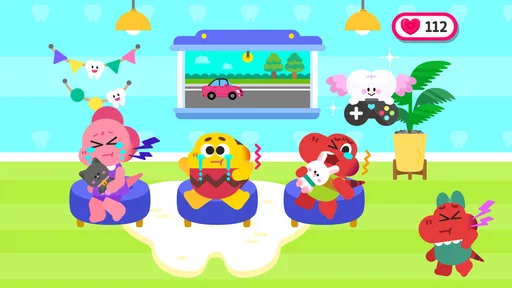
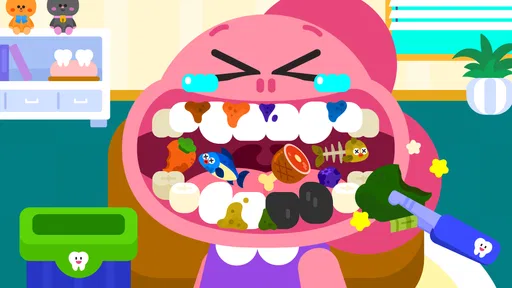
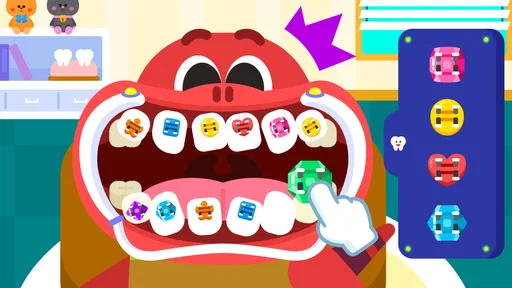
The treatment format gives the play a simple purpose: a patient has a dental issue, and the child gets to respond with the available tools. The controls are intuitive enough to suit the intended young audience, and the colorful presentation makes the clinic feel friendly rather than clinical. The interactive actions are the most useful part for keeping attention, because a child is doing something rather than just watching information pass by.
That hands-on style also sets expectations. This is not a detailed dental simulator, and I would not choose it for a child looking for realistic medical explanations or complex problem-solving. Its educational value is lighter: it places dental care in a playful context and lets a child explore the dentist role. For a short, supervised play session, that is a sensible trade-off; for a structured lesson about oral health, an adult will need to add the detail.
One practical tip is to let the child lead the play before asking questions. If you pause after every action to explain what a real dentist would do, the game can start to feel like homework. Instead, I would save one or two simple questions for the end—such as what the patient needed or what helps keep teeth healthy—and link those answers to a familiar routine. That makes the educational angle more useful without expecting the game itself to teach a complete routine.
Where it fits into a child’s day
A realistic moment for this game is a quiet stretch at home before a dental appointment, when a child is curious or a little uneasy about what may happen. I would play a short session together, let the child try the role, and then talk about how a real visit is different: a dentist checks their own teeth and explains what they see. That is more grounded than using the game to promise that an appointment will be exactly like the play experience.
Worth Reading Before You Choose

Switching to Android Auto Means Rethinking Your Driving Routine

Google Calendar Makes a Crowded Week Easier to Manage

Baby Panda World Brings Quick Play to Modern Phones, but Its Game Library Feels Busy

ESPN’s Live Game View Makes Following Close Games Easier

QuizzLand Review: A Good Fit for Short Trivia Breaks, Not Every Player

Basketball Stars: Multiplayer Is Fast, but Can It Recover When Matches Go Wrong?
It can also work as a brief activity after brushing, when a parent wants to keep the idea of dental care positive without turning bedtime into a long screen session. I would set the stopping point before handing over the device, especially for a child who has trouble putting games down. The game is best treated as one small option in a routine, not as a reward that has to be earned through perfect brushing or as a substitute for actually brushing.
Compared with children’s videos about teeth, this format gives the child something to do and lets them play the caregiver. Compared with a hands-on toy dentist kit, it is easier to start on a phone or tablet, but it does not provide the same physical pretend tools or off-screen play. Those differences make the choice straightforward: pick this when interactive screen play is convenient, and choose a book, conversation, or toy when you want to step away from a device.
Age, access, and the small practical trade-offs
The game is free to download and is rated for Everyone, which makes it broadly suitable for family use, though a parent should still decide whether its style suits their own child. It has an average rating of 4.1 from around 3,600 ratings and more than 5 million installs, so it has reached a sizeable audience, but those figures cannot tell you whether your child will enjoy the pace or presentation. I would use a short first session to judge that rather than assuming popularity guarantees a fit.
There are in-app purchases priced at $1.99 per item, so I recommend checking the purchase controls on the device before giving a young child unsupervised access. A child may focus on the play and not understand that an optional purchase involves real money. That is a common friction point in free games, and it is worth handling through the device’s family settings or by staying nearby during play, rather than relying on a child to recognize a payment prompt.
The current version is 1.0.21, and the minimum operating system is Android 7.0. Those details are useful if you are checking an older device before installing. I would also think about the kind of session you want: a child who likes tapping through pretend-care tasks may settle into it, while one who prefers open-ended drawing, construction, or real-world role-play may lose interest quickly. It is a focused dentist game, not a broad collection of activities.
Who is likely to get the most from it?
I would recommend it most to younger children who are curious about dentists, enjoy pretend play, or could use a gentler way to start a conversation about oral care. It may be especially helpful when an adult sits nearby and uses the character’s treatment as a prompt for simple, reassuring discussion. A child who already likes caring for toys or playing doctor may understand the role-play quickly.
I would skip it for a child who expects realistic clinical detail, for a parent seeking a complete oral-hygiene curriculum, or for anyone looking for a screen-free activity. It is also not the right choice if a child becomes anxious when games depict treatment, even in a friendly style; in that case, a calm conversation or a familiar story may be a better first step. The aim should be comfort and curiosity, not pushing a child through a scenario they dislike.
For me, the best measure of success is not how long a child plays, but whether the game gives them a relaxed way to talk about teeth afterward. If it does, it has served a useful purpose. If the child only wants to tap through the actions and moves on, that is fine too—the game can still be a light diversion, as long as adults keep its educational role in perspective.
First Impressions
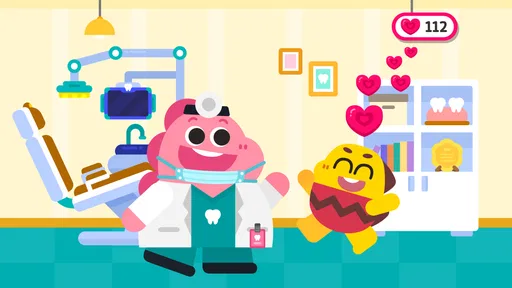
As soon as you fire up Cocobi Dentist - Kids Hospital, you’re greeted with vibrant graphics and a friendly user interface that screams "fun!" It’s designed specifically for kids, but I found it surprisingly engaging as an adult too. The cheerful music and cute character designs make it inviting for players of all ages.
Gameplay and Features
What really caught my attention was how intuitive the game is. Players are tasked with treating various dental issues, from cavities to braces, using a range of tools that mimic real dental equipment. It’s like playing make-believe dentist but with a sprinkle of education. Interactive elements keep kids engaged as they learn about dental hygiene in a playful context.
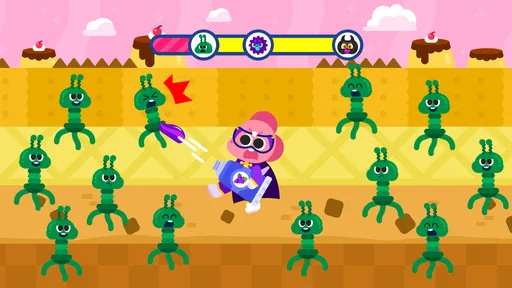
The game offers multiple levels of difficulty, which is great for keeping things fresh. Each level introduces new challenges, such as different types of patients with unique dental problems. It’s not just about cleaning teeth; you get to deal with fun, quirky scenarios that add an extra layer of excitement.
Educational Value
While it’s packed with fun, Cocobi Dentist - Kids Hospital doesn’t skimp on the educational aspect. It cleverly teaches kids about the importance of dental care without them even realizing it. The game gently nudges players to understand the basics of oral hygiene, making it a fantastic tool for parents looking to instill good habits in their kids.
Overall Experience
Playing this game is like a breath of fresh air in the world of educational apps. It strikes the perfect balance between fun and learning, which is no easy feat. The graphics are top-notch, the gameplay is smooth, and the educational aspect is seamlessly integrated. Whether you’re a parent looking for something worthwhile for your kid or someone just curious about the dental world, this app is definitely worth a download.
In conclusion, Cocobi Dentist - Kids Hospital is a delightful blend of education and entertainment. It’s a playful escape that teaches kids the importance of dental care while keeping them thoroughly entertained. So, if you haven’t yet, grab your smartphone and give it a spin. Who knew learning about teeth could be this much fun?
Pros
- Engaging graphics for kids.
- Educational for dental care.
- Simple
- intuitive controls.
- Variety of dental tools.
- Encourages creativity and fun.
Cons
- Limited levels available.
- Contains in-app purchases.
- Ads can be frequent.
- No multiplayer options.
- Requires internet connection.
FAQs for Cocobi Dentist - Kids Hospital
What is Cocobi Dentist - Kids Hospital about?
Cocobi Dentist - Kids Hospital is an educational game designed for children to learn about dental hygiene and the importance of oral health. Players take on the role of a dentist, treating various dental issues in a fun and interactive environment. The game aims to teach kids how to take care of their teeth while having fun.
Is Cocobi Dentist - Kids Hospital suitable for all age groups?
Cocobi Dentist - Kids Hospital is primarily designed for children aged 4 to 8. It's engaging and safe for young players, with easy-to-understand gameplay and controls. While older kids might enjoy it too, the content and challenges are specifically tailored for younger children to learn and have fun.
Are there any in-app purchases in Cocobi Dentist - Kids Hospital?
Yes, Cocobi Dentist - Kids Hospital offers in-app purchases. While the basic features of the game are free, some additional content, tools, or levels may require payment. Parents should be aware of these options and can disable in-app purchases in their device settings if desired.
Does Cocobi Dentist - Kids Hospital require an internet connection?
Cocobi Dentist - Kids Hospital can be played offline, making it convenient for travel or areas with limited internet access. However, some features, updates, or additional content may require an internet connection. It's best to connect occasionally to ensure the app is up to date.
Is Cocobi Dentist - Kids Hospital available on both Android and iOS?
Yes, Cocobi Dentist - Kids Hospital is available for download on both Android and iOS platforms. Users can find it on the Google Play Store and the Apple App Store. Ensure your device meets the necessary system requirements for smooth gameplay and the best experience.


